




Project Description
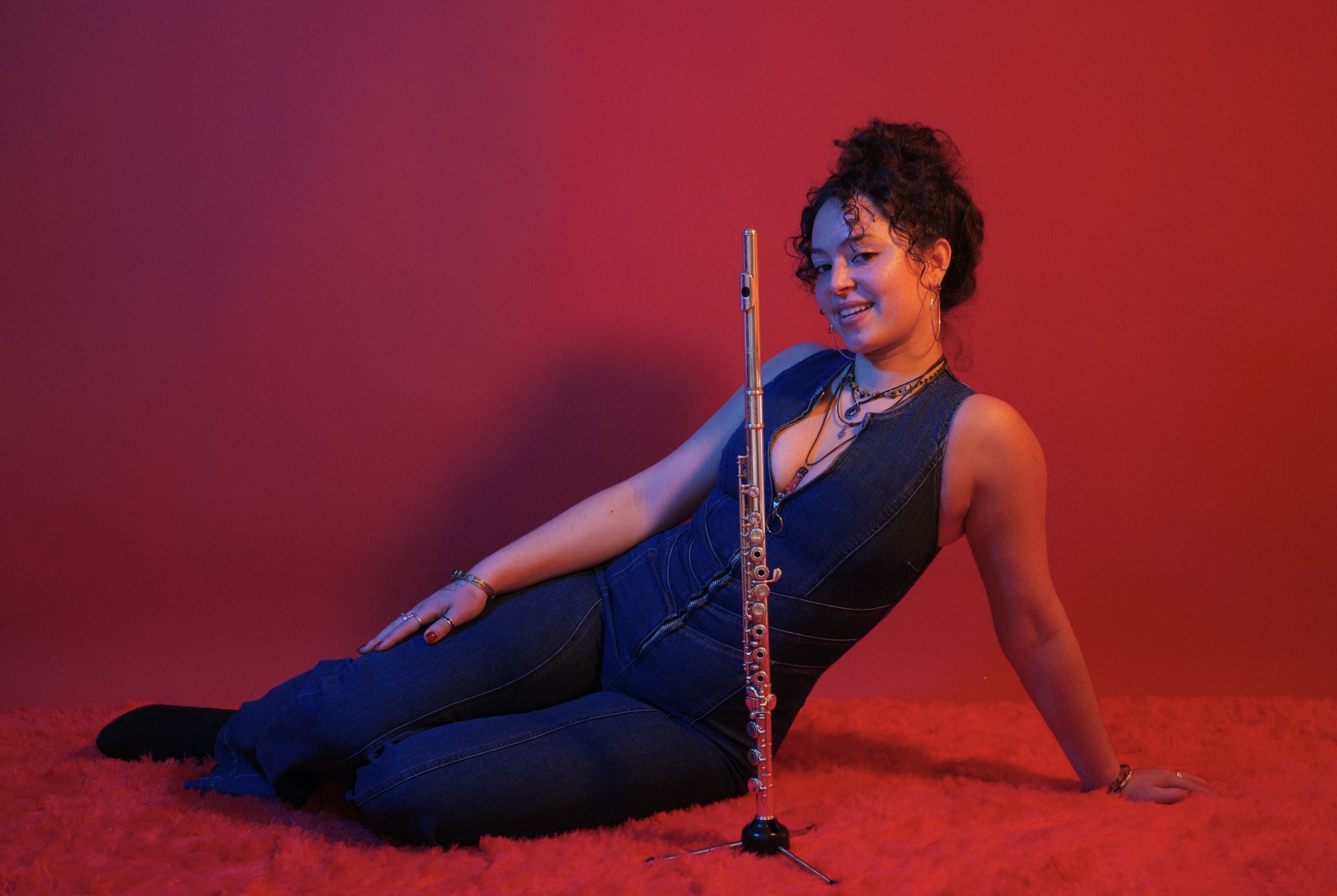
“Jezebel: Rewritten” is my debut album and the result of a year-long undergraduate thesis project at Stanford University. It is a project I am immensely proud of, and one that deals with a variety of complicated themes about sexism, racism and women in Jazz.
The summer before my senior year at Stanford, I conducted seven interviews with professional female flute players in order to gather original research to further the content of my project. My interviewees ranged in age and professional experience, providing me with a wide breadth of perspectives and personal stories. Guided by my peers and advisors, I reached several claims throughout the course of my paper, many on the specific experience of female flute players. I defined my own concept, “The Masculine Jazz Spectrum” which provided a necessary framework for arguments I made about hyper-feminity, hyper-sexualization and how one’s role within the Jazz ensemble is influenced by this spectrum.
Alongside this paper, I composed my debut album, Jezebel: Rewritten, which is a response to my own experience as a woman in Jazz, but also operates as a love letter to all women in Jazz, women of color in Jazz or gender non conforming musicians who continue to operate in a genre that can sometimes be exclusive.
My goal with this work is to remind listeners of the unique voice of Jazz’s virtuosic female players, and how there may not be one singular “women in Jazz experience” but that understanding and appreciation can be given for the collective work of women who make this music. The original work was recorded with a majority female and queer ensemble, an important goal of mine.
I am honored to say that this project was awarded the George Fredrickson Award for Excellence in Honors research, which honors the top thesis paper in Stanford’s racial/ethnic studies department yearly, and that KQED ranked the album amongst its top 20 Bay Area albums of 2025.